
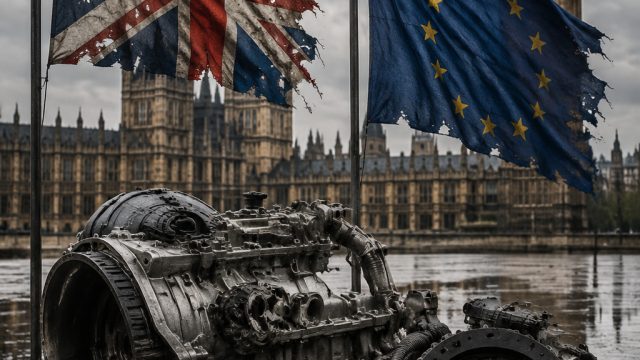
As we mark ten years since the United Kingdom voted to leave the European Union, the ramifications of that decision continue to ripple through British politics. The Brexit referendum in June 2016 set in motion a series of changes that have profoundly affected not only the economy but also the political landscape of the nation. With ongoing debates and rising tensions, understanding the current state of UK politics in the context of Brexit is more crucial than ever.
Turbulence in Economic Growth
One of the most significant outcomes of Brexit has been its impact on the UK's economic growth. Analysts have pointed to a noticeable slowdown attributed directly to the uncertainties surrounding the departure from the EU. According to various reports, the UK economy has faced substantial hurdles, including issues like supply chain disruptions and volatility in financial markets.
The Economic Numbers
- GDP growth rates have consistently lagged behind forecasts.
- Trade with EU countries has experienced a decline, affecting many industries.
- Inflation rates have surged, driven by increased costs of imports.
These factors highlight a trend of stagnation that raises questions about the long-term viability of the UK's economic strategy post-Brexit. As businesses adapt to new trading conditions, many are left grappling with the implications of a new normal.
Political Fragmentation
The political scene in the UK has also been largely shaped by Brexit. The initial unity among pro-Brexit proponents has eroded, leading to a fragmented political landscape. Major parties have struggled to define their stances clearly, often causing rifts within their own ranks.
Key Observations
- The Conservative Party has faced internal dissent over handling the post-Brexit realities.
- The Labour Party has had to recalibrate its message to address disillusioned voters.
- Smaller parties and movements have gained traction, reflecting a desire for alternative solutions.
This fragmentation can be seen as both a challenge and an opportunity for political discourse in the UK. As new parties emerge and citizens become more engaged, the overall landscape may transform in unpredictable ways.
Public Sentiment and Future Directions
Public opinion regarding Brexit remains divided. While some citizens believe that leaving the EU has unlocked new opportunities, others express regret and frustration over the consequences of the decision. This divide is often reflected in opinion polls and public discussions.
Current Trends in Public Opinion
- Recent surveys indicate a growing sentiment for reconsidering relationships with the EU.
- Voter engagement has spiked, particularly among younger demographics.
- Social media has become a battleground for differing views on Brexit's legacy.
The current sentiment suggests that the dialogue around Brexit is far from over. As the UK navigates its relationships both domestically and internationally, the public's voice will play a pivotal role in shaping the future.
Conclusion: What Lies Ahead?
As we look to the future, the legacy of Brexit will undoubtedly continue to influence the UK’s political framework and economic strategies. The decade since the referendum has been marked by challenges that are likely to evolve rather than resolve. Understanding these dynamics is essential for anyone invested in the future of British politics and the nation’s standing on the global stage.