
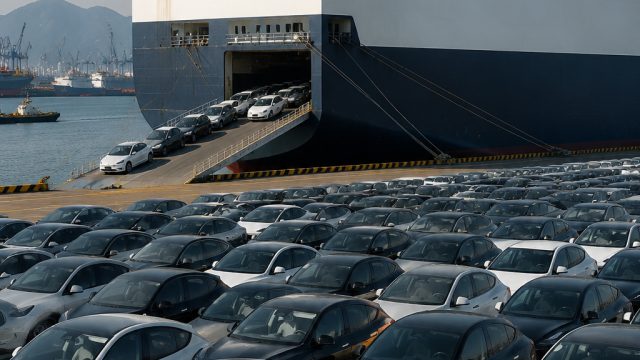
The Rise of China's Electric Vehicle Exports
In recent months, China has witnessed an unprecedented boom in electric vehicle (EV) exports, reaching a record high this past May. This surge not only marks a significant milestone for the Chinese automotive sector but also indicates broader trends that could reshape the global market for auto parts and components. With electric vehicles becoming a key focus for consumers and manufacturers alike, understanding the implications of this growth is paramount for stakeholders in the automotive industry.
Why This Matters Now
According to industry experts, the rapid increase in EV exports from China can be attributed to a combination of innovation, government support, and a growing global demand for sustainable transportation options. As the world grapples with the impacts of climate change, electric vehicles are increasingly seen as a viable solution to reduce carbon emissions. This shift is compelling automakers worldwide to adapt, prompting a re-evaluation of supply chains and manufacturing processes.
Key Drivers of Growth
- Government Incentives: The Chinese government has rolled out various incentives to promote EV production and sales, making it easier for manufacturers to innovate and compete in the global market.
- Technological Advancements: Continuous improvements in battery technology and vehicle design are enhancing the appeal of Chinese electric vehicles, allowing them to compete more effectively internationally.
- Increased Global Demand: As countries implement stricter emissions regulations, the demand for electric vehicles is surging, creating opportunities for Chinese automakers to expand their reach.
Impact on Global Auto Parts Supply Chain
The rise in Chinese electric vehicle exports is expected to significantly impact the global auto parts supply chain. As more manufacturers shift their focus towards EV production, the demand for specific components is likely to increase. Here are some areas to watch:
1. Shift in Component Demand
With the increase in electric vehicle production, certain engine components and auto parts will see a shift in demand:
- Batteries: As the heart of electric vehicles, battery production is becoming a crucial aspect, with increased focus on sourcing materials and advanced manufacturing techniques.
- Electric Drive Systems: Components that support electric drive systems will see heightened demand as automakers transition from traditional engines.
- Charging Infrastructure: The expansion of EVs also necessitates growth in charging stations and associated technologies, impacting the auto parts sector significantly.
2. Competition Among Global Manufacturers
As Chinese EV manufacturers gain ground, traditional automotive powerhouses are compelled to innovate and adapt. This competition can drive:
- Price Adjustments: Increased competition may lead to price wars, incentivizing consumers but challenging manufacturers' profitability.
- Technological Progress: The need to keep pace with advancements can spur innovation across the industry, benefiting consumers with better products.
3. Opportunities for Collaboration
The changing landscape presents unique opportunities for collaboration between manufacturers worldwide:
- Joint Ventures: Companies may seek partnerships to share expertise in EV technology and reduce the costs associated with research and development.
- Supply Chain Optimization: Collaborations can help streamline the supply chain, ensuring that high-quality components are available for the growing demand.
Conclusion: Preparing for the Future
The record high in electric vehicle exports from China is more than just a statistic; it represents a pivotal shift in the automotive landscape. As automakers globally respond to this trend, those within the engine components and auto parts sectors must adapt to evolving demands. Staying informed about market trends and technological advancements will be crucial for ensuring competitiveness and resilience in this rapidly changing environment.
For industry professionals, this is an invitation to re-evaluate strategies and embrace the innovations and challenges that lie ahead. The future of transportation is electric, and understanding these dynamics will be key to navigating the market successfully.