
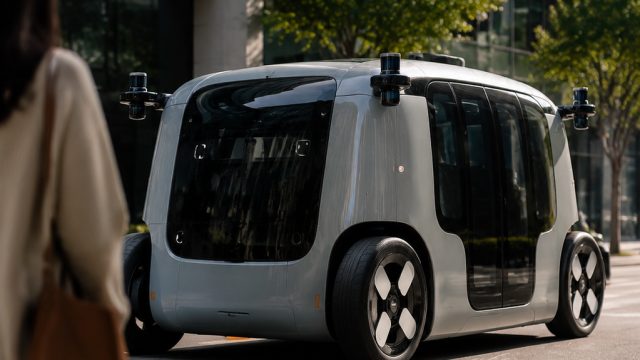
In a strategic move, Amazon's Zoox has unveiled its latest iteration of the robotaxi, designed to enhance urban mobility as the company sets its sights on expanding its services in more metropolitan areas. With the tech landscape continuously evolving, this redesign comes at a pivotal moment, making it essential for stakeholders and consumers to understand its implications.
The Evolution of Urban Mobility
As cities around the globe grapple with traffic congestion and environmental concerns, innovative transportation solutions have emerged as vital components in urban planning. Zoox's robotaxi introduces a fresh approach to ride-sharing, combining cutting-edge design and autonomous technology. This unveiling is not just about aesthetics; it's about rethinking how people navigate urban landscapes.
Key Features of the Redesigned Robotaxi
- Enhanced Safety Measures: The new robotaxi incorporates advanced sensors and AI-driven navigation systems, ensuring rider safety while minimizing accidents.
- Eco-Friendly Design: With a focus on sustainability, the vehicle is designed to reduce emissions, aligning with global efforts to combat climate change.
- Passenger-Centric Experience: The interior focuses on rider comfort, providing amenities such as spacious seating and customizable entertainment options.
Why This Matters Now
The unveiling of the Zoox robotaxi is particularly timely given the rising demand for efficient and sustainable transportation options following the pandemic. As urban populations increase, so does the need for innovative solutions that can alleviate traffic woes and promote eco-friendly practices. Amazon's expansion into the ride-hailing market signals a shift in how mobility services may be delivered in the near future.
The Competitive Landscape
With players like Uber and Lyft already dominating the market, Zoox aims to carve out a niche by offering a fully autonomous experience. The company's recent developments could potentially disrupt the existing model, providing consumers with a safer and more efficient alternative. As the competition heats up, it will be interesting to see how traditional ride-share companies respond.
Market Implications and Future Opportunities
The introduction of Zoox's robotaxi raises several questions regarding its market implications:
- Investment Opportunities: As the technology matures, investors might find promising opportunities in autonomous vehicle startups and related technologies.
- Job Market Evolution: With the rise of autonomous vehicles, there is a looming question about the future of driving-related jobs.
- Regulatory Challenges: The expansion of ride-sharing into urban areas will likely face regulatory hurdles that could impact deployment timelines.
Public Sentiment and Adoption
As with any emerging technology, public sentiment will play a crucial role in adoption rates. Early surveys indicate a mixed response, with many consumers expressing excitement about the convenience, yet apprehension about safety. The success of Zoox's robotaxi will depend significantly on how well it can address these concerns.
Conclusion
The future of urban transportation is at a turning point, and Zoox's redesigned robotaxi is poised to play a pivotal role in shaping it. As Amazon continues to push the boundaries of technology and transportation, staying informed on these developments will be crucial for consumers, investors, and industry professionals alike. The integration of autonomous vehicles into daily life could redefine how we think about travel, efficiency, and sustainability in our cities.