
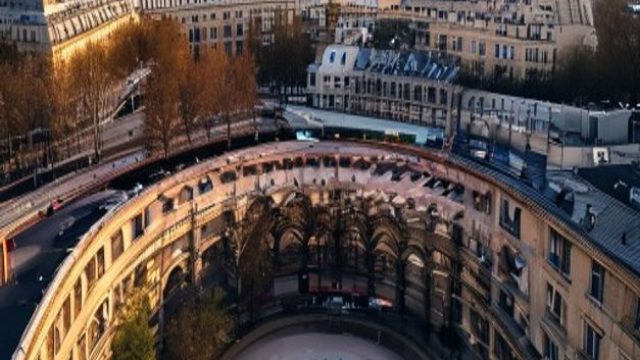
Paris, known for its rich cultural heritage and iconic landmarks, is on the brink of a significant transformation as the beloved Cirque d'Hiver embarks on a meticulous restoration project. This historic entertainment venue, originally built in the 19th century, has withstood the test of time, yet it requires an extensive refurbishment to restore its grandeur. This renovation not only aims to enhance the aesthetic appeal but also to preserve an integral piece of Parisian history.
A Journey Through History
Cirque d'Hiver, or Winter Circus, has been an emblematic structure in Paris since its opening in 1852. Designed by architect Adolphe Alphand, this venue has entertained generations with its dazzling performances and captivating shows. Its unique architecture features an impressive façade and an interior adorned with intricate designs that reflect the lavish Second Empire style.
From Performances to Preservation
The decision to renovate the Cirque d'Hiver comes amid a broader trend of preserving historic structures across major cities. As modern architecture continues to dominate urban landscapes, the importance of maintaining and restoring historical sites cannot be overstated. This renovation project is expected to take 12 to 18 months, during which careful attention will be paid to the following:
- Restoration of Ornamental Frescoes: Twenty stunning frescoes from the Second Empire will be meticulously restored to their original brilliance.
- Seating Arrangements: The seating will be refurbished to enhance comfort while maintaining the venue's historic charm.
- Polychrome Ceiling Canvas: The vibrant ceiling canvas, which has faded over time, will undergo a revitalization process.
- Stained-Glass Windows: These exquisite windows, a hallmark of the circus, will be rejuvenated to preserve their artistic value.
Why This Matters Now
With ongoing discussions about cultural preservation and urban renewal, the restoration of Cirque d'Hiver is more relevant than ever. In an era marked by rapid modernization, it is crucial to maintain a connection to our past. Cirque d'Hiver's renovation is not just about aesthetic enhancement; it symbolizes the commitment to preserving the history and culture that define cities like Paris.
A Cultural Hub Reimagined
As the renovation progresses, stakeholders are optimistic about the future of Cirque d'Hiver. The venue is expected to become a reimagined cultural hub that draws both locals and tourists alike. By maintaining its historical significance while introducing modern amenities, Cirque d'Hiver can continue to captivate audiences for years to come.
What to Expect After Renovation
Once the renovation is completed, visitors can look forward to a transformed experience. Here’s what could be on the horizon:
- Enhanced Visitor Experience: Upgraded facilities will offer increased comfort and accessibility, ensuring that every visitor has a memorable experience.
- New Performances: With the renovation, there are plans to host a lineup of innovative shows that blend traditional circus arts with contemporary performances.
- Community Engagement: The revitalized venue may host workshops and events aimed at engaging the local community and fostering a love for the arts.
The Road Ahead
As the restoration of Cirque d'Hiver unfolds, it reinforces the idea that historical preservation is a communal effort. It encourages the public to appreciate their cultural heritage and advocate for its maintenance. The project not only revitalizes a beloved structure but also serves as a reminder of the rich narratives embedded in the fabric of our cities.
In conclusion, the renovation of Paris's Cirque d'Hiver is a timely endeavor that merges the past with the present, ensuring that future generations will continue to enjoy and cherish this historic landmark. It is a testament to the enduring power of art and architecture in shaping the cultural identity of a city.