
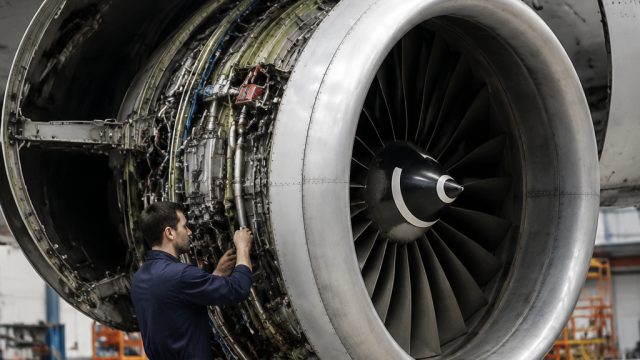
In an era where aviation is on the brink of transformation, GE Aerospace stands at the forefront of engine manufacturing, experiencing a surge in demand that cannot be overlooked. This growth signifies not just an increase in operational capacity but also a pivotal moment for the entire aerospace industry. As air travel rebounds post-pandemic, companies like GE are adapting to meet evolving consumer needs while also embracing innovations in technology.
The Current Landscape of Engine Demand
The global aviation sector has witnessed a remarkable recovery trajectory, bouncing back from the significant setbacks faced during the pandemic. With travel restrictions easing, airlines are scrambling to refresh their fleets and enhance operational efficiency. This renewed focus on fleet modernization has resulted in a heightened demand for high-performance engines.
Factors Driving Demand
- Increased Air Travel: With passenger numbers rising, airlines are investing in new aircraft equipped with advanced engine technologies.
- Sustainability Focus: The aerospace industry is under pressure to adopt greener technologies, leading to demand for more efficient engines.
- Geopolitical Stability: Areas previously impacted by unrest are now reopening, which boosts the demand for air travel and consequently, engine production.
GE Aerospace's Strategic Position
GE Aerospace's long-standing reputation in the industry is amplified by its commitment to innovation and quality. The company is not just responding to the current trends but is also proactively shaping the future of aerospace technology. With a diverse range of engine offerings, GE is well-equipped to cater to various market segments.
Investment in Innovation
In recent years, GE Aerospace has poured substantial resources into research and development. This investment aims to enhance engine performance while reducing environmental impact. Key initiatives include:
- Next-Gen Engine Designs: Developing engines that are not only more efficient but also quieter and cleaner.
- Partnerships with Airlines: Collaborating with airlines to understand their needs and tailor solutions accordingly.
- Focus on Digital Solutions: Embracing digital tools to optimize engine performance and maintenance schedules, thereby increasing fleet reliability.
Market Implications and Future Outlook
As we look towards the future, the implications of this engine demand are significant for GE Aerospace and the broader industry. With a commitment to excellence and innovation, the company is primed to take advantage of the growing opportunities within the aerospace market.
The Best Way to Win in the Aerospace Market
For stakeholders and investors, understanding the dynamics of engine demand is crucial. The best way to leverage this growth includes:
- Monitoring Technological Advancements: Keeping an eye on emerging technologies that can redefine engine efficiency.
- Investing in Sustainable Practices: Focusing on environmentally friendly solutions that can position companies as leaders in the green aviation sector.
- Diversifying Product Offerings: Companies should consider broadening their product lines to cater to various segments of the market.
Conclusion
The demand for engines is set to continue on its upward trajectory, and GE Aerospace is well-positioned to capitalize on this trend. As the aviation industry evolves, staying ahead of technological advancements and consumer preferences will be key to maintaining a competitive edge. Companies that strategically invest in their offerings and embrace innovation will not only weather the changes but thrive in the dynamic aerospace market.