
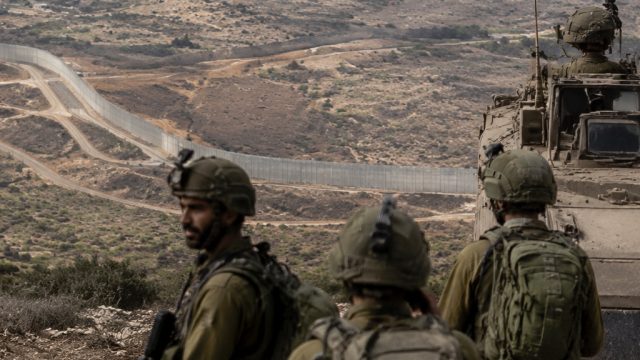
As the political landscape in the Middle East continues to shift, Israel's insistence on maintaining a military presence in southern Lebanon has raised significant questions regarding regional stability and security. This decision comes at a time when diplomatic discussions regarding Iran's nuclear program are at the forefront of international relations, particularly involving the U.S. and its Gulf allies.
Israel's Strategic Military Presence
The call for a continued Israeli military presence in southern Lebanon stems from longstanding security concerns. The region has historically been a flashpoint for tensions, particularly with Hezbollah, which remains a potent adversary. Israeli officials argue that a military presence is essential to deter any potential threats from Hezbollah and to safeguard its northern border.
Why Now?
With the ongoing Iran negotiations, Israel feels an increased urgency to ensure that its borders are secure. The U.S. has pledged to protect its Gulf allies' interests amid rising fears that a potential agreement with Iran could embolden hostile actions from its proxies in the region. Consequently, Israel's military strategy is pivotal for both its national security and the broader stability of Middle Eastern countries.
U.S. Involvement and Regional Dynamics
In response to Israel's military strategy and the ongoing negotiations with Iran, U.S. officials, including Senator Marco Rubio, have been vocal in defending the need for strengthened security commitments to Gulf partners. Rubio's reassurances highlight the delicate balance the U.S. seeks to maintain between negotiating with Iran and ensuring that its allies feel secure.
Concerns from Gulf States
Gulf states have expressed apprehension over the implications of any favorable deals with Iran. They worry that concessions may lead to increased aggression from Iran and its proxies, thereby destabilizing the region further. The U.S. has thus emphasized its commitment to ensuring that any agreement does not undermine the security of its allies.
- Heightened military readiness in Israel to counter Hezbollah threats.
- U.S. pledges to Gulf states to enhance security cooperation.
- Increased scrutiny on Iran's actions during negotiations.
- Ongoing discussions on the impact of U.S.-Iran relations on regional stability.
The Bigger Picture: Global Reactions
The geopolitical implications of Israel's military decisions and the U.S.'s role in the region are being closely watched worldwide. As countries assess their own security strategies, there is a growing realization that the outcomes of the U.S.-Iran dialogues could have far-reaching consequences.
Impact on Global Security Landscape
In the broader context, Israel's military actions and the U.S. diplomatic efforts serve as a crucial intersection between local conflicts and global security dynamics. Nations are increasingly aware that decisions made in the Middle East reverberate across continents, affecting everything from economic relations to military alliances.
Conclusion: Navigating a Complex Future
As tensions mount in the Middle East with Israel's military stance in southern Lebanon and the ongoing negotiations with Iran, the global community must remain vigilant. The choices made by Israel, the U.S., and regional partners will shape not only the future of the Middle East but also the international security landscape. Understanding these complexities is essential for anyone observing or involved in international relations today.