
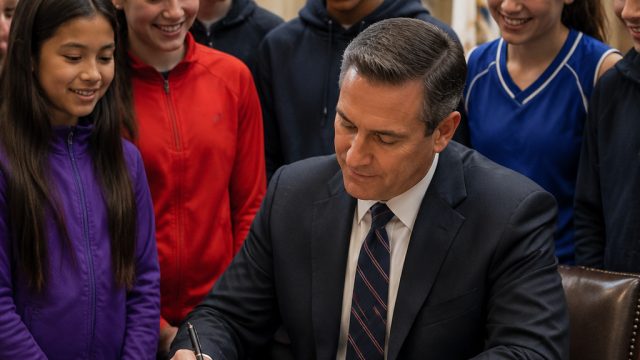
In an impactful move to bolster community engagement and support for families, recent legislative measures have been introduced to enhance access to youth sports and arts programs. As extracurricular activities become increasingly vital for child development, this new initiative promises to ease the financial burden on working families who struggle to afford these essential programs.
Why This Legislation Matters Now
As parents face soaring costs in various aspects of daily life, the importance of this legislative effort cannot be overstated. Current trends indicate that participation in youth sports and arts significantly contributes to a child's physical, social, and emotional development. By reducing financial barriers, the government aims to ensure that every child, regardless of their family’s economic situation, can engage in these formative activities.
The Financial Strains on Families
Each year, many families are forced to choose between essential expenses and their children's extracurricular activities. According to recent surveys, nearly 60% of parents express concerns about their ability to afford youth sports and arts programs. With the cost of living rising, such programs are often sidelined, which can hinder a child's development and growth opportunities.
Key Features of the Legislation
This new legislation introduces several key elements designed to provide relief and make youth programs more accessible:
- Subsidies for Registration Fees: Families will have access to financial assistance that can cover registration fees for various activities.
- Increased Funding for Local Programs: Allocating funds to community organizations to enhance the quality and availability of youth sports and arts programs.
- Partnership with Schools: Collaborating with educational institutions to create after-school programs that offer sports and arts activities at little to no cost.
- Outreach Initiatives: Information campaigns to inform families about available resources and programs.
Benefits to the Community
The implementation of this legislation stands to benefit not only families but the community as a whole. Engaging youth in sports and arts fosters a sense of teamwork, discipline, and creativity. Children involved in such programs are often more successful academically and socially, leading to a healthier, more engaged community.
What Stakeholders Are Saying
Supporters of the legislation, including educators, community leaders, and parent organizations, have praised this initiative as a necessary step toward equity in youth programming. Advocates emphasize that these changes will help level the playing field and create opportunities for all children, regardless of their family's socio-economic standing.
Challenges Ahead
While the legislation is a significant step forward, its success will depend on effective implementation. Critics have voiced concerns over potential bureaucratic hurdles and the sufficiency of funding. Ensuring that resources reach those in need will be crucial in achieving the intended outcomes.
How Families Can Get Involved
Families are encouraged to engage with local organizations and school boards to learn more about how they can benefit from the new programs. Participation in community meetings and outreach programs can help amplify their voices and ensure that the needs of all families are met.
Conclusion
The introduction of this new legislation represents a critical response to the challenges faced by working families in accessing youth sports and arts programs. By addressing the financial barriers that many families encounter, this initiative aims to create a more inclusive environment where every child has the opportunity to thrive. As the community rallies around this cause, it’s essential to remain engaged and ensure that these programs serve the needs of all families effectively.