
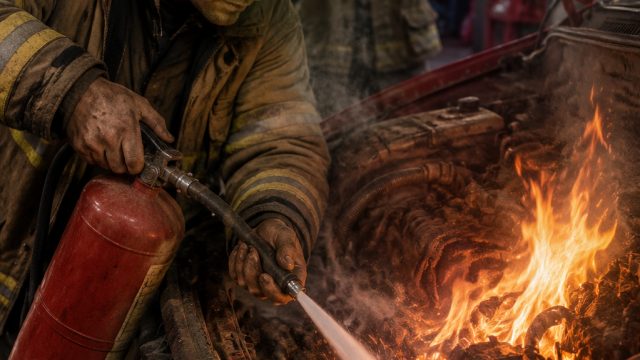
In an unexpected turn of events, firefighters in Dorset found themselves battling a fire erupting from inside their own engine. This incident highlights not only the dangers faced by emergency responders but also the critical need for rigorous safety protocols in fire service equipment.
The Incident: What Happened?
Late Thursday afternoon, crews from the Dorset Fire Department were on routine patrol when they observed smoke billowing from their fire engine. Acting quickly, the firefighters evacuated the area and initiated emergency protocols to extinguish the blaze. Witnesses described the scene as chaotic yet focused, showcasing the team's dedication even in the face of adversity.
Immediate Response and Action Taken
- The team employed onboard firefighting tools to control the flames.
- Support units were dispatched to assist and ensure no bystanders were in danger.
- Firefighters utilized extinguishing agents to minimize damage to the vehicle.
Fortunately, no injuries were reported among the crew or civilians nearby, underscoring the importance of training and preparedness in emergency situations.
The Implications for Fire Safety Protocols
This incident raises significant questions regarding fire safety measures in emergency vehicles. Experts believe it is crucial to assess the current inspection protocols for fire engines, as well as the maintenance standards that are in place. While it is known that firefighting equipment bears the brunt of high-stress conditions, ensuring that these vehicles are equipped with fail-safes could prevent similar incidents in the future.
Key Considerations for Future Safety
- Regular inspections should include thorough checks of all electrical systems.
- Developing a rapid response plan for similar incidents is essential.
- Training for firefighters should include drills on how to manage vehicle-based fires.
The role of technology in enhancing safety cannot be overstated. Innovations in fire engine design and materials could significantly reduce risks associated with heat and electrical failures.
Community Support and Future Actions
The community's response to the incident has been overwhelmingly supportive. Local residents have rallied behind the firefighters, providing meals and beverages to the team as a gesture of appreciation. This incident serves as a reminder of the vital role that first responders play in community safety and the importance of public support during challenging times.
Community Engagement Initiatives
- Fire department open houses to educate the public about safety measures.
- Community fundraising events to support ongoing training and equipment upgrades.
- Collaboration with local schools for fire safety awareness programs.
Moving forward, the Dorset Fire Department aims to engage the community in discussions about safety and to increase transparency regarding operational practices.
Conclusion: Lessons Learned and Moving Ahead
The blaze inside the Dorset fire engine serves as a wake-up call for fire departments nationwide. As the investigation into the cause unfolds, the emphasis on safety and proactive measures must take precedence to ensure that such incidents do not recur. Firefighters are often viewed as heroes, but their safety is paramount to maintaining the integrity of emergency response systems. This incident has not only highlighted the bravery of these individuals but also the need for continued vigilance in safety practices.
As the firefighting community reflects on this event, they are reminded of their commitment to serve and protect, underlining that with every challenge comes an opportunity to improve and advocate for better safety measures.