
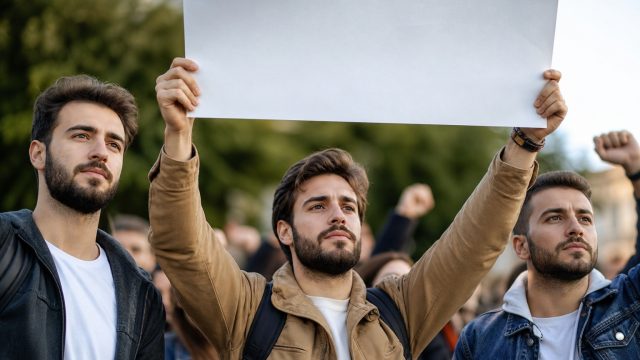
Empowering Change: Men's Role in Women's Rights Movements
In light of recent events surrounding the tragic murder of Lyhanna, the conversation about gender equality has taken on renewed urgency. Women’s rights organizations are calling for collective action, emphasizing that the involvement of men is not just welcomed but essential. This movement is not merely a women’s issue; it is a societal challenge that requires a united front.
The Call for Collective Action
The national collective for women’s rights has announced a third mobilization event, encouraging men to join in greater numbers. Historically, these events have seen limited male participation, and this trend is concerning to advocates for gender equality. According to activists, increased male involvement can significantly alter perceptions and drive societal change.
Why Men's Participation Matters
- Breaking Down Stereotypes: Men joining the movement can challenge stereotypes about masculinity and the role of men in society.
- Creating Allies: Male allies can amplify women’s voices and support their rights from a position of privilege.
- Fostering Understanding: Engaging in women's rights movements can help men understand the challenges faced by women, fostering empathy and solidarity.
Historical Context of Men’s Involvement
Historically, men have played a role in various social movements, from civil rights to labor movements. However, the participation of men in women's rights movements has been inconsistent. Presently, there is a growing recognition that gender equality benefits everyone, and men are starting to take a stand.
Examples of Successful Male Allies
Several prominent figures have shown how effective male allies can be:
- Barack Obama: His advocacy for gender equality through various initiatives has set a powerful example.
- Emma Watson’s HeForShe Campaign: This initiative encouraged men to advocate for women’s rights, showing that gender equality is a shared responsibility.
- Local Activists: Numerous local leaders have emerged, creating spaces for dialogue and action within their communities.
Challenges to Overcome
Despite the potential benefits of increased men's involvement, there are challenges that need to be addressed:
- Fear of Repercussions: Men may feel hesitant to join due to concerns about how they will be perceived by their peers.
- Understanding the Movement: Some men may lack knowledge about the issues women face, which can result in reluctance to participate.
- Misinterpretation of Roles: There can be a misconception that men should lead the movement, rather than support women.
Mobilizing for Change
For the upcoming mobilization, organizers are taking steps to create a welcoming environment for men. This includes workshops to educate attendees about the importance of gender equality and ways they can actively contribute. The aim is to foster a culture where men feel empowered to participate without overshadowing women's voices.
How You Can Get Involved
Everyone can contribute to the movement for gender equality. Here are some ways to participate:
- Join Local Initiatives: Look for local groups and events that focus on women’s rights and volunteer your time.
- Be an Advocate: Use your voice to raise awareness about gender equality issues within your social circles.
- Educate Yourself and Others: Read books, attend seminars, and share information about women’s rights and societal challenges.
Conclusion: A Call to Action
The call for men to join women’s rights mobilizations is both timely and critical. As we face ongoing challenges related to gender inequality, every voice counts. By participating in these movements, men can help pave the way for a more equitable future. It’s time to step up, listen, and take action.