
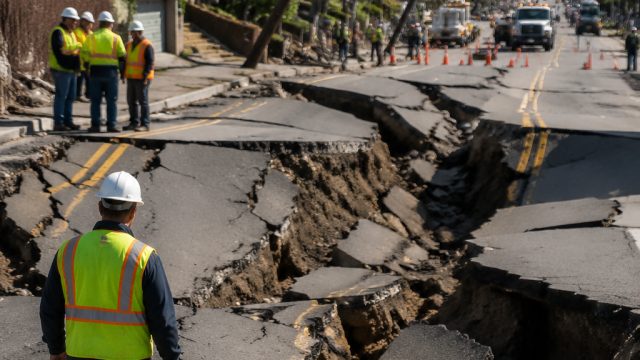
Recently, a magnitude 5.6 earthquake struck Northern California, primarily affecting Mendocino County. This seismic event marks one of the most significant earthquakes in the region since 1940. Reports indicate minor injuries and widespread power outages, prompting local officials to respond swiftly to ensure community safety. As residents recover from the tremors, understanding the implications of this earthquake becomes increasingly important.
Understanding the Earthquake's Impact
The earthquake, which occurred approximately 11 kilometers north of Redwood Valley, has left thousands without power and caused disruptions across various sectors. While most of the damages reported are minor, the quake serves as a crucial reminder of the region's seismic activity.
Community Response
In the aftermath, emergency services have been mobilized to assess damages and provide aid to affected individuals. Local authorities are working tirelessly to restore power and ensure that essential services are operational. The rapid response underscores the preparedness strategies employed by emergency management teams in California.
Injuries and Safety Concerns
- Reports of minor injuries have been confirmed, emphasizing the need for safety measures.
- Residents are advised to monitor aftershocks, which can occur following a major quake.
- Emergency kits and plans should be revisited to ensure readiness for future events.
Preparedness: Learning from the Incident
With the recent earthquake serving as a wake-up call, it’s vital for communities to reinforce their earthquake preparedness measures. Here are some steps that can be taken:
Essential Safety Measures
- Develop a communication plan with family members to ensure everyone knows how to reach each other.
- Assemble an emergency kit that includes food, water, first-aid supplies, and other necessities.
- Secure heavy furniture and appliances to prevent injuries during tremors.
Community Education Initiatives
Local governments and organizations should enhance community education programs focusing on earthquake preparedness. Workshops and drills can empower residents with the skills and knowledge needed to respond effectively.
Looking Ahead: The Future of Seismic Activity Monitoring
In light of this recent event, advancements in seismic monitoring technology are paramount. Systems like the MyShake Alert provide residents with real-time notifications, enabling quicker responses to tremors.
The Role of Technology
Technological developments in seismic alerts can significantly reduce risks associated with earthquakes. As awareness and preparedness grow, so do the tools available to combat potential dangers:
- Seismic alert apps that notify individuals seconds before shaking begins.
- Public education initiatives to teach residents how to react during an earthquake.
- Collaboration between tech companies and emergency services to improve response times.
Conclusion: The Importance of Community Resilience
As Northern California grapples with the aftermath of the earthquake, community resilience and preparedness emerge as critical components of safety. By learning from this experience and implementing effective measures, residents can enhance their readiness for future seismic events. Stay informed, stay prepared, and prioritize safety as we navigate the challenges posed by natural disasters.