
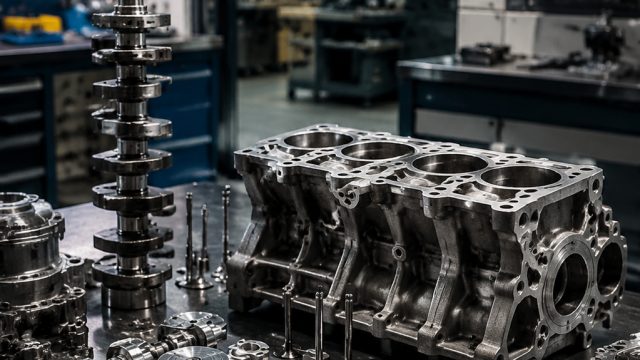
Introduction to the Future of Engine Components
The automotive industry is undergoing a significant transformation, driven by technological advancements and evolving consumer demands. Engine components and auto parts are at the forefront of this revolution, promising enhanced vehicle performance, greater efficiency, and improved service and maintenance. This article explores the future of engine components and how they will redefine the automotive landscape.
The Rise of Smart Engine Components
In recent years, the integration of smart technology into automotive parts has gained momentum. Smart engine components equipped with sensors can monitor performance metrics in real time, allowing for predictive maintenance. These technologies enable car owners and service providers to identify potential issues before they escalate, thus saving time and money on repairs.
Benefits of Smart Engine Parts
- Enhanced Performance: Smart components can optimize engine performance by adjusting settings based on driving conditions.
- Cost-Effective Maintenance: Predictive analytics reduce the likelihood of unexpected breakdowns, lowering repair costs.
- Environmental Impact: Improved efficiency contributes to reduced emissions, promoting sustainability.
Alternative Materials in Auto Parts Production
Another trend shaping the future of engine components is the shift toward alternative materials. Manufacturers are increasingly exploring lightweight materials such as carbon fiber, aluminum, and advanced polymers. These materials not only reduce the overall weight of vehicles, enhancing fuel efficiency, but they also exhibit superior strength and durability.
The Role of Advanced Manufacturing Techniques
Techniques like 3D printing and additive manufacturing are redefining how engine components are produced. These innovations allow for greater customization, reduced waste, and faster production times, ensuring that vehicles can be tailored to meet specific performance requirements.
Electric Vehicles and Their Impact on Auto Parts
The rise of electric vehicles (EVs) is another critical factor influencing the future of engine components. As more consumers shift toward EVs, the demand for traditional engine parts is expected to decline, prompting manufacturers to adapt their offerings.
Transitioning to EV Components
Auto parts suppliers are investing heavily in developing components suited for electric powertrains. This includes batteries, electric motors, and advanced cooling systems, indicating a significant pivot from conventional engine components.
Conclusion: Embracing Change in the Automotive Industry
As we look ahead, the future of engine components and auto parts is undeniably linked to innovation and sustainability. Embracing smart technologies, alternative materials, and the shift toward electric vehicles will be crucial for manufacturers and service providers alike. By staying informed and adapting to these trends, automotive professionals can ensure they remain competitive in an ever-evolving market.