
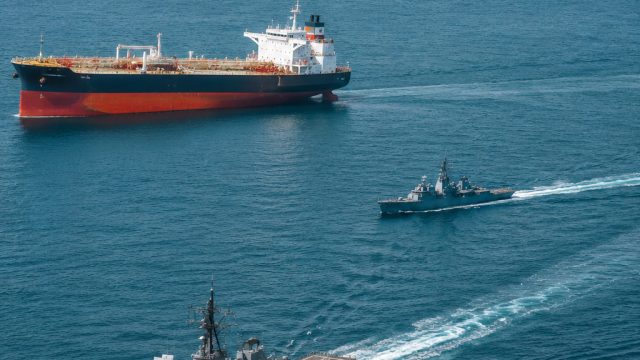
The Strait of Hormuz, a key maritime corridor for oil and gas shipments, is witnessing a significant increase in traffic. Amid rising geopolitical tensions and conflicting reports regarding Iran's nuclear program, the implications of this surge for global trade and security are profound. As nations and businesses monitor these developments closely, understanding the dynamics at play is crucial.
Current Situation in the Strait of Hormuz
The Strait of Hormuz, positioned between Iran and Oman, is one of the world's most critical chokepoints, with approximately 20% of all oil traded globally passing through it. As of late, there have been multiple reports indicating an uptick in shipping activities within this vital waterway. However, the backdrop of geopolitical instability adds layers of complexity to this situation.
Geopolitical Tensions and Navigational Risks
Recent statements from Iranian officials suggest an assertion of control over the Strait, with Tehran indicating potential restrictions on shipping. These developments come amidst unresolved discussions on Iran's nuclear ambitions and its ongoing conflicts in the region. The combination of these factors raises concerns about the safety of maritime routes, prompting shipping companies and governments to reassess their strategies.
- Sanctions and regulations impacting shipping operations
- Increased naval presence from various countries
- Potential disruptions in oil supply chains
The Economic Impact of Increased Traffic
The rising traffic in the Strait of Hormuz has significant ramifications for global markets, particularly in the oil sector. Traders and analysts are paying close attention to shipping patterns, as any disruption can lead to fluctuations in oil prices and supply chain challenges.
Market Reactions and Oil Prices
In light of the recent developments, oil prices have shown volatility, responding to fears of supply disruptions. The oil industry remains on high alert, with companies evaluating their risk exposure and supply strategies. Here are some factors influencing market reactions:
- Potential for price spikes in times of uncertainty
- Increased insurance costs for shipping vessels
- Market speculation driven by geopolitical developments
Long-term Projections
As the situation develops, experts suggest that we may see lasting changes in how oil and gas are transported globally. Companies might explore alternative routes or increase direct shipments from producers to consumers to mitigate risks associated with the Strait of Hormuz.
Conclusion: Staying Informed Amidst Uncertainty
As the situation in the Strait of Hormuz evolves, vigilance is paramount for businesses, governments, and consumers alike. The implications of increased traffic and the associated geopolitical tensions cannot be overstated. Stakeholders must stay informed and adaptable, ready to respond to changes that could affect trade, economics, and security on a global scale.
In this fast-paced environment, understanding the complexities of international maritime routes and their potential impacts on the economy will be essential for making informed decisions. The world watches closely as the situation unfolds in this strategic waterway.