
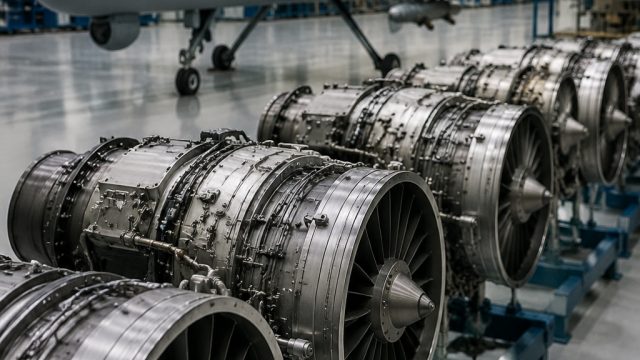
Pakistan Unveils Its First Indigenous UAV Engines Amid Global Interest
In a milestone event that has caught the attention of defense analysts and enthusiasts worldwide, Pakistan has successfully showcased its first home-built unmanned aerial vehicle (UAV) engines at the Eurosatory 2026 defense exhibition. This significant development not only marks a leap forward in the nation’s defense capabilities but also reflects a growing trend towards self-reliance in military technology.
The Importance of Indigenous UAV Engines
The introduction of domestic UAV engines is a pivotal step for Pakistan, which has long relied on foreign technology to meet its military needs. By developing its own engines, the nation aims to enhance its aerial surveillance and combat capabilities significantly. This shift towards indigenous production aligns with global military trends, where countries are increasingly investing in self-sufficiency to bolster national security.
Why Now? The Global Context
The timing of this announcement is particularly notable. As geopolitical tensions rise and military strategists seek innovative solutions to asymmetric warfare, the demand for reliable UAV technology has surged. This urgent need has pushed countries, including Pakistan, to invest more heavily in developing their own defense technologies. The unveiling of these UAV engines comes at a time when nations are competing not just for military superiority but also for technological advancement.
Technical Specifications and Capabilities
Pakistan's new UAV engines are designed to power various unmanned aerial systems, enhancing their operational range, payload capacity, and endurance. Some key features of these engines include:
- Efficiency: Optimized fuel consumption for longer flight durations.
- Durability: Engine materials designed to withstand harsh environments.
- Modularity: Adaptable designs for various UAV platforms, from surveillance to combat drones.
These advancements not only make Pakistan's UAVs more competitive in the global arms market but also ensure that they can undertake more complex missions, thereby increasing their strategic value.
Market Implications and Future Prospects
The development of indigenous UAV engines could reshape the defense procurement landscape. By producing its own engines, Pakistan may reduce dependency on foreign suppliers, potentially leading to cost savings and improved military readiness. Furthermore, the ability to manufacture advanced UAV technology may open doors for Pakistan to export these systems to allied nations.
Strategic Partnerships and Collaborations
This initiative is not just about self-sufficiency; it also highlights the importance of strategic partnerships in the defense sector. Collaborations with local universities and research institutes have played a crucial role in the engine's development, fostering innovation and skill-building within the country. Such partnerships are essential for sustaining long-term growth in Pakistan's aerospace sector.
Aligning with Global Trends
Globally, nations are recognizing the value of investing in indigenous defense capabilities. Countries like Turkey and India have set benchmarks with their successful homegrown military technologies. By following a similar path, Pakistan aims to join the ranks of nations that not only consume military technology but also produce it. This ambition signals a shift towards a more robust defense posture that emphasizes self-reliance.
Conclusion: A New Era for Pakistan's Defense Industry
The unveiling of Pakistan’s first home-built UAV engines at Eurosatory 2026 marks a significant turning point in the nation's defense capabilities. This advancement is not merely a technological feat; it's a declaration of intent to take charge of its military development and reduce reliance on foreign entities. As the global landscape continues to evolve, Pakistan's commitment to innovation and self-sufficiency positions it as a potential leader in UAV technology in the coming years. The implications of this are profound, not only for Pakistan but also for the larger geopolitical landscape as nations reassess their military strategies and partnerships.